As the winter chill sets in, maintaining optimal health becomes a priority for many. One effective way to support your immune function and overall well-being during these colder months is by incorporating seasonal fruits and vegetables into your diet. These foods are not only fresher and tastier but also packed with essential nutrients that can help you thrive throughout winter.
The Benefits of Eating Seasonal Produce
Choosing seasonal fruits and vegetables comes with numerous advantages. They are generally better in quality, more flavorful, and often contain higher levels of nutrients. Furthermore, seasonal produce tends to be more affordable and environmentally friendly, as it supports local farmers. During winter, a variety of fruits and vegetables come into season, each offering distinct health benefits.
Winter’s Best Seasonal Fruits
Citrus Fruits
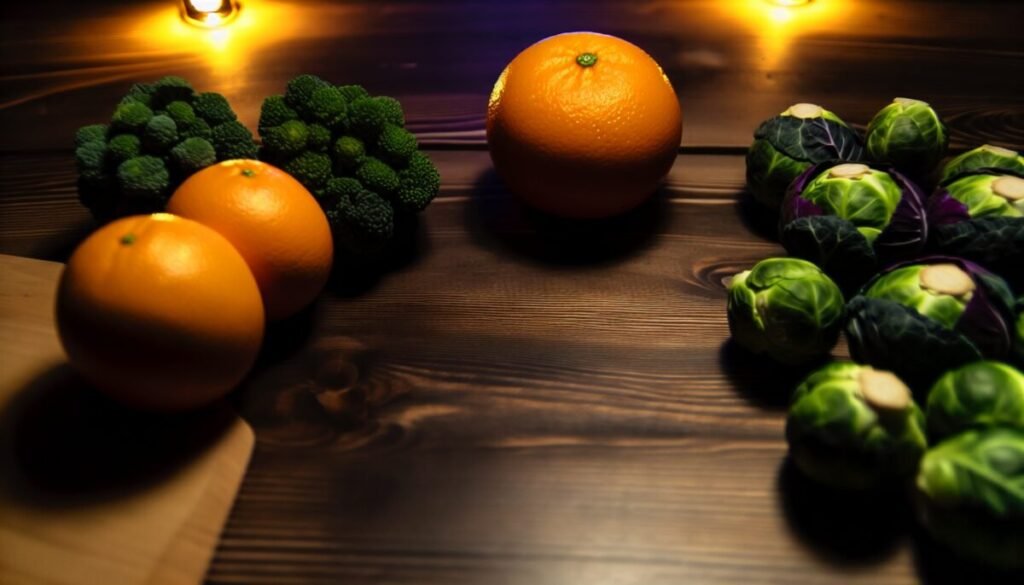
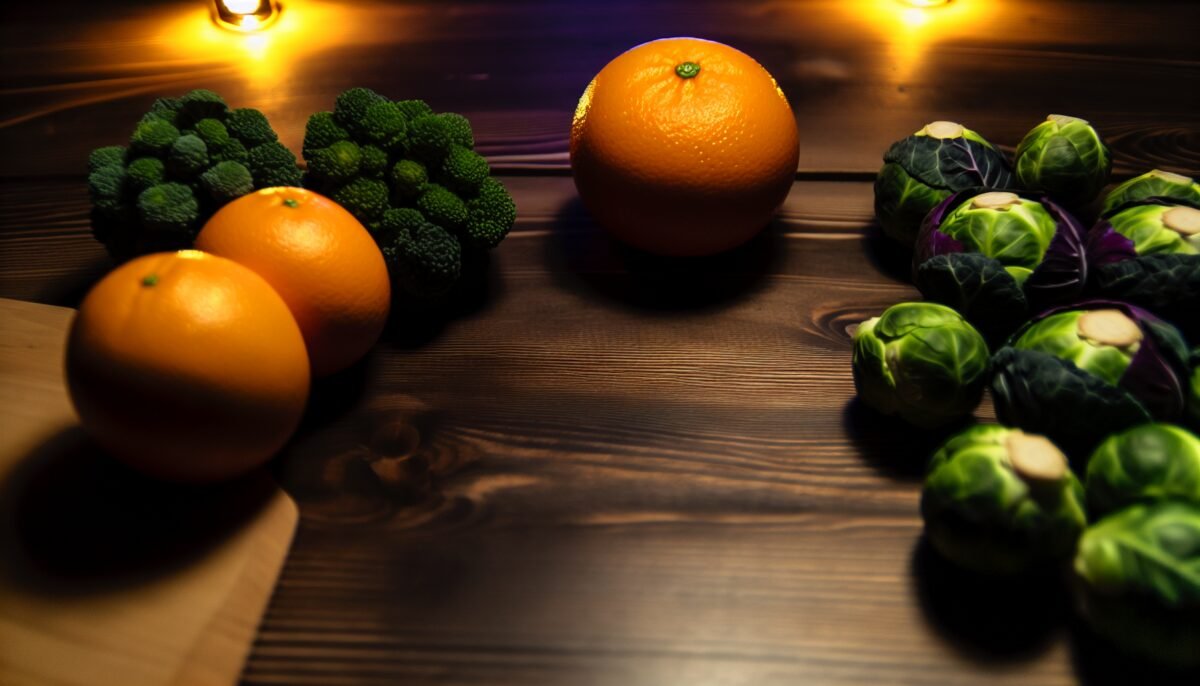
Citrus fruits like oranges, grapefruits, and lemons are in season during winter and are well-known for their high vitamin C content. Vitamin C is crucial for boosting your immune system and protecting your body against infections. Research indicates that regular consumption of citrus fruits may help shorten the duration of colds. Enjoy them fresh, in juices, or as a flavoring for warm water to brighten your day.
Pomegranates
Pomegranates are a winter favorite, rich in antioxidants such as polyphenols, which can help combat inflammation and promote heart health. Studies suggest that the compounds found in pomegranates may enhance memory and cognitive function as well. Add pomegranate seeds to salads or enjoy them as a snack to reap their health benefits.
Pears and apples are both excellent choices for winter eating. They provide dietary fiber, which is essential for digestion, along with vitamins and minerals like vitamin C and potassium. Incorporate them into your meals by baking or roasting for a warm side dish, or simply enjoy them raw for a quick and healthy snack.
Winter’s Best Seasonal Vegetables
Leafy Greens
Leafy greens like kale, Swiss chard, and collard greens are abundant during winter months and are exceptionally nutritious. They are packed with vitamins A, C, and K, as well as fiber and antioxidants. Incorporate these greens into soups, stews, or salads for a nutrient-dense boost that supports your immune system.
Root Vegetables
Root vegetables such as carrots, turnips, sweet potatoes, and beets thrive in colder weather and are excellent sources of vitamins, minerals, and fiber. Sweet potatoes, in particular, are rich in beta-carotene, which is converted into vitamin A in the body, essential for maintaining healthy vision and immune function. Roasted or mashed, these vegetables make hearty additions to any winter meal.
Brussels Sprouts and Cauliflower
Brussels sprouts and cauliflower are another great choice for winter. These cruciferous vegetables not only provide dietary fiber but also contain vitamins C and K, which are important for immune health and overall well-being. Roasting them brings out their natural sweetness and makes for a delicious side dish or main course.
How to Incorporate Seasonal Produce into Your Diet
Incorporating seasonal fruits and vegetables into your diet is easier than you might think. Here are some practical strategies:
- Start your day: Add sliced oranges or pears to your morning oatmeal or yogurt.
- Warm soups and stews: Create hearty dishes using kale, carrots, and root vegetables to warm you up.
- Healthy snacks: Reach for citrus fruits or pomegranates for a nutrient-packed snack.
- Explore new recipes: Experiment with roasting Brussels sprouts or cauliflower to find your favorite flavor combinations.
Conclusion
Incorporating seasonal fruits and vegetables during winter offers a delicious and nutritious way to support your health. By choosing fresh, local produce, you can enhance your immune function and overall well-being, making it easier to navigate the colder months. Embrace the variety of options available to you this winter and enjoy the array of flavors and benefits that seasonal produce has to offer. Your body will thank you!