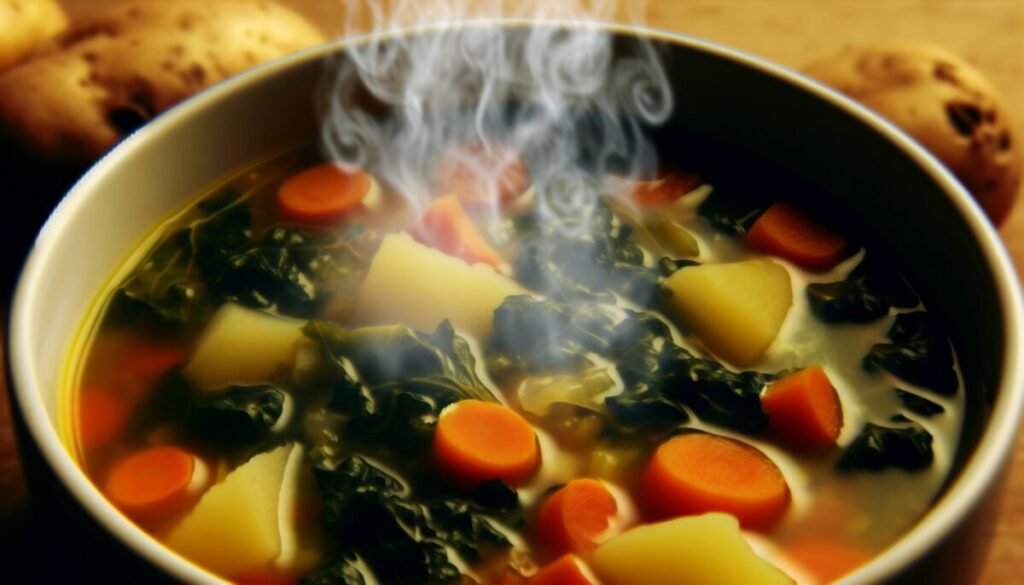
Embracing seasonal nutrients is essential for bolstering winter wellness. During the colder months, our bodies require support to maintain immunity and energy levels. Understanding the role of seasonal foods and how they can influence our health is critical for winter wellness.
The Role of Seasonal Nutrients
Seasonal nutrients are the vitamins and minerals naturally present in seasonal produce. Consuming foods that are in season can enhance your nutrient intake, as these foods typically reach peak freshness and nutritional value when harvested in season. During winter, a diet rich in seasonal nutrients can support your body’s immune function and energy levels.
Boosting Immunity with Winter Foods
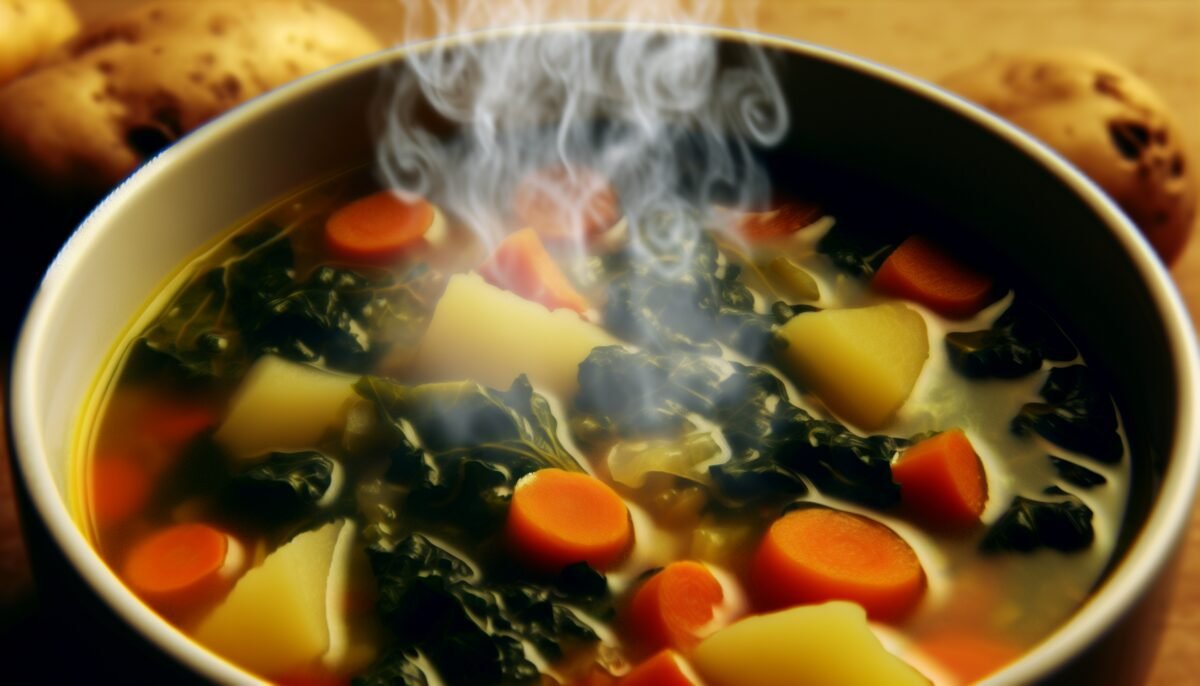
Winter is synonymous with colds and flu, making immune support a priority. Foods such as citrus fruits, which are high in vitamin C, play a crucial role in enhancing immune function. Cruciferous vegetables like broccoli, kale, and Brussels sprouts are abundant in antioxidants and can help bolster the body’s defenses against seasonal ailments.
Sustaining Energy Levels in Cold Weather
Maintaining energy during the short days of winter can be challenging. Dietary sources like whole grains, legumes, and root vegetables provide a steady source of energy to keep you active and alert throughout the day. Whole grains, such as oats and quinoa, are rich in complex carbohydrates and help sustain energy levels over time.
Incorporating Seasonal Foods into Your Diet
To reap the benefits of seasonal nutrition, consider incorporating more local and in-season foods into your meals. Plan your shopping around seasonal produce to ensure variety and maximal nutritional benefits. Cooking methods like roasting and slow-cooking help retain the nutrients in winter vegetables and enhance their flavors.
The Psychological Benefits of Seasonal Eating
The rhythm of seasonal eating aligns closely with nature, supporting not only physical health but also mental well-being. Consuming seasonal foods can foster a connection with the natural environment, helping to reduce stress and promote a sense of well-being during the colder months. Additionally, preparing and enjoying warm, nourishing meals can become a comforting ritual that enhances mental health.