Why Your Immune System Matters More Than Ever
Your immune system is your body’s first line of defense against infections, viruses, and harmful pathogens. In today’s world, maintaining a robust immune response isn’t just beneficial — it’s essential for long-term health and vitality.
Research published in the Journal of Clinical Investigation shows that lifestyle factors account for up to 75% of immune system effectiveness, meaning you have significant control over how well your body defends itself.
The Science of Immune Function
Before diving into actionable tips, it’s important to understand how your immune system works. Your body has two main types of immunity:
- Innate immunity — your body’s first, non-specific response to pathogens (skin, mucous membranes, white blood cells)
- Adaptive immunity — a targeted response that develops after exposure to specific pathogens (T-cells, B-cells, antibodies)
Both systems work together, and the strategies below support both types of immune response.
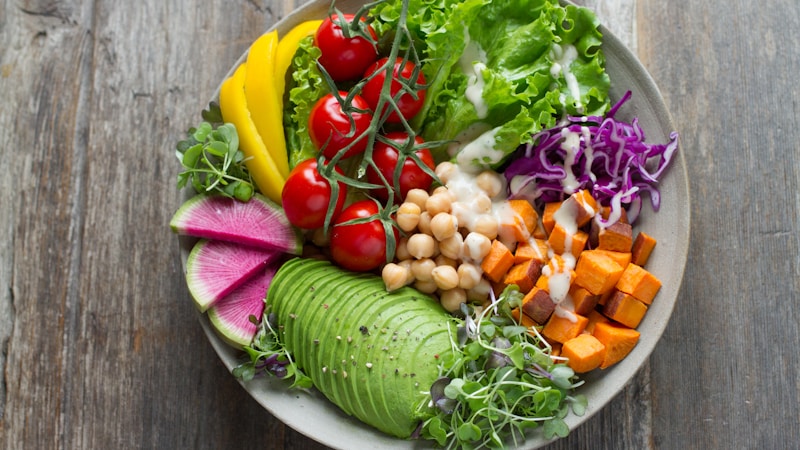
1. Eat a Rainbow of Fruits and Vegetables
Colorful produce is loaded with antioxidants, vitamins, and phytochemicals that directly support immune cells. Aim for 5-9 servings per day.
Key Immune-Boosting Foods
- Citrus fruits — rich in vitamin C, which increases white blood cell production
- Red bell peppers — contain twice the vitamin C of most citrus fruits
- Broccoli — packed with vitamins A, C, E and fiber
- Garlic — contains allicin, which has potent antimicrobial properties
- Ginger — reduces inflammation and supports digestive health
- Turmeric — contains curcumin, a powerful anti-inflammatory compound
- Spinach — rich in vitamin C, antioxidants, and beta-carotene
“Let food be thy medicine and medicine be thy food.” — Hippocrates
2. Prioritize Quality Sleep
Sleep is when your body performs critical immune maintenance. During deep sleep, your body produces cytokines — proteins that target infection and inflammation.
Studies show that people who sleep less than 6 hours per night are 4.2 times more likely to catch a cold compared to those who sleep 7+ hours.
Sleep Hygiene Tips
- Maintain a consistent sleep schedule (even on weekends)
- Keep your bedroom cool (65-68°F / 18-20°C)
- Avoid screens 1 hour before bed
- Limit caffeine after 2 PM
3. Get Regular Exercise
Moderate exercise enhances immune surveillance — the process by which immune cells patrol the body looking for threats.
- 150 minutes of moderate aerobic activity per week is the sweet spot
- Activities like brisk walking, swimming, or cycling are ideal
- Avoid overtraining, which can temporarily suppress immune function
4. Manage Stress Effectively
Chronic stress produces excess cortisol, which suppresses immune function. The American Psychological Association reports that chronic stress can reduce your immune response by up to 40%.
Evidence-Based Stress Reduction
- Meditation — even 10 minutes daily reduces cortisol levels
- Deep breathing exercises — activates the parasympathetic nervous system
- Nature exposure — 20 minutes in nature significantly lowers stress hormones
- Social connections — strong relationships are linked to better immune outcomes
5. Consider Key Supplements
While a balanced diet should be your primary source of nutrients, certain supplements can fill gaps:
Vitamin D
Often called the “sunshine vitamin,” vitamin D is crucial for immune cell activation. Studies indicate that 42% of American adults are vitamin D deficient.
- Recommended dose: 1,000-5,000 IU daily (consult your doctor)
- Best taken with a fat-containing meal for absorption
Vitamin C
A potent antioxidant that supports various immune functions:
- Recommended dose: 500-1,000 mg daily
- Found naturally in citrus, strawberries, and bell peppers
Zinc
Essential for immune cell development and communication:
- Recommended dose: 15-30 mg daily
- Found in oysters, beef, pumpkin seeds, and lentils
6. Stay Hydrated
Water is essential for the production of lymph, which carries immune cells throughout your body. Aim for 8-10 glasses of water daily. Herbal teas (like green tea and echinacea) count toward your total and provide additional immune-supporting compounds.
7. Nurture Your Gut Health
Approximately 70% of your immune system resides in your gut. Supporting a healthy microbiome is one of the most effective ways to boost immunity.
- Eat probiotic-rich foods: yogurt, kefir, sauerkraut, kimchi
- Consume prebiotic fiber: garlic, onions, asparagus, bananas
- Minimize processed foods and excessive sugar
8. Practice Good Hygiene
Simple habits make a significant difference:
- Wash hands thoroughly for at least 20 seconds
- Avoid touching your face
- Clean frequently-touched surfaces regularly
- Stay up to date on recommended vaccinations
9. Limit Alcohol and Avoid Smoking
- Alcohol impairs immune cells in the lungs and gut. If you drink, limit to 1 drink per day for women, 2 for men
- Smoking damages the respiratory immune system and increases vulnerability to infections
10. Get Regular Sunlight Exposure
Beyond vitamin D production, sunlight triggers other immune-supportive processes:
- Aim for 15-20 minutes of direct sunlight daily
- Morning light is ideal for circadian rhythm regulation
- Use sunscreen for extended exposure to prevent skin damage